
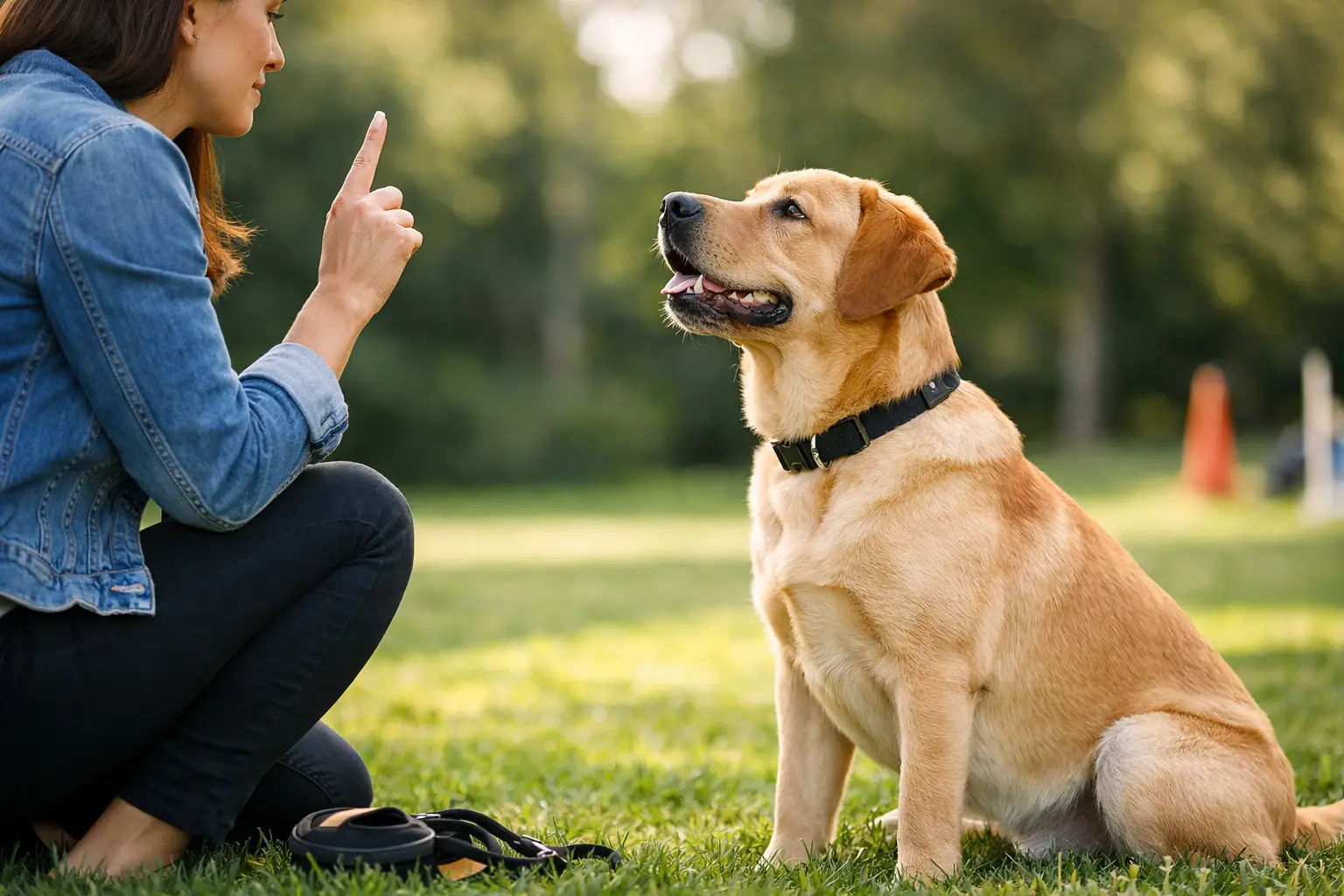
A dog that listens in your living room but falls apart on a walk is not fully trained. That gap is exactly why owners ask, what is basic dog obedience training, and what should it actually include.
Basic obedience is not a bag of tricks. It is the foundation that teaches your dog how to respond to clear direction, stay engaged with you, and make better choices around everyday distractions. For most dogs, that starts with core commands like sit, down, place, come, heel, and stay, but the real goal is bigger than command memorization. The goal is reliable behavior you can use in real life.
What is basic dog obedience training really teaching?
At its core, basic dog obedience training teaches communication. Your dog learns what a command means, how to respond to it, and why consistency matters. You learn how to give clear direction, reinforce the right behavior, and handle your dog in a way that builds trust and control.
That matters because most behavior problems are not random. Pulling on leash, jumping on guests, ignoring recall, barking for attention, and refusing to settle often come back to a lack of structure, unclear expectations, or poor follow-through. Basic obedience addresses those issues early by giving the dog a framework.
A well-built obedience foundation usually focuses on a few non-negotiables. Your dog should be able to stop what they are doing, pay attention, and respond even when life is happening around them. If a command only works when the house is quiet and there is no temptation nearby, the training is not finished yet.
The core skills included in basic dog obedience training
Most basic obedience programs include a small set of essential commands because those commands solve the biggest daily challenges.
Sit and down
These are often the first positions owners teach, but they are more than beginner exercises. Sit and down help create impulse control. A dog that can settle into a position on command is easier to manage at the door, during greetings, at the vet, or while you are trying to have a normal conversation without being climbed on.
Stay and place
Stay teaches duration and patience. Place teaches your dog to go to a defined spot and remain there until released. That is a practical skill for busy households, visiting guests, meals, deliveries, and any situation where you need your dog calm and out of the way without constant physical restraint.
Come when called
Recall is one of the most important obedience skills because it directly affects safety. A dog that comes when called is easier to protect around traffic, open doors, wildlife, children, and unexpected distractions. This command often takes more work than owners expect because it has to compete with the environment, not just your voice.
Heel or loose leash walking
Many owners think obedience starts and ends with sit. In reality, leash manners are one of the clearest signs of useful training. A dog that drags you down the sidewalk, lunges at people, or zigzags through every walk is not just frustrating. That behavior limits freedom and creates stress. Heel work teaches your dog to move with you under control, stay more neutral around distractions, and follow direction instead of leading every decision.
Marker recognition and engagement
Good training also includes timing. Dogs learn faster when they understand exactly which behavior earned feedback. That may involve a clear verbal marker, release word, and consistent reinforcement system. Engagement matters just as much. Before a dog can listen well, the dog needs to value paying attention.
What basic obedience is not
Basic obedience is not about making a dog robotic. It is not harsh handling, constant corrections, or forcing a dog into submission. Done correctly, it gives the dog clarity and gives the owner control without chaos.
It is also not a one-week shortcut. Some dogs learn commands quickly and still struggle to perform them around distractions. Others are eager but lack impulse control. Puppies may pick up patterns fast but need maturity and repetition. Adult dogs with bad habits may need to unlearn behaviors before they can replace them.
That is why results depend on more than the command list. They depend on the quality of instruction, the consistency of follow-through, and whether the training is practiced where life actually happens.
Why obedience training matters for everyday life
The best obedience training makes normal life easier. It helps your dog settle in the house, walk calmly in public, greet people appropriately, and respond when asked. It can also reduce stress for owners who feel like every outing turns into a battle.
For families, obedience creates safer interactions with kids and visitors. For busy professionals, it means your dog can be manageable even when your schedule is full. For puppy owners, it sets habits before bad ones get stronger. For owners dealing with reactivity, anxiety, or overexcitement, obedience is often the first step toward bigger behavior change.
That said, obedience is not a cure-all by itself. If a dog has true aggression, fear-based behavior, or severe reactivity, basic obedience is part of the solution, not the entire plan. Those dogs often need a more targeted training approach that addresses the root behavior while still building control.
How dogs learn basic obedience best
Dogs learn through repetition, timing, and consistency. That sounds simple, but in practice it is where many owners get stuck. They repeat commands too many times, reward at the wrong moment, or expect the dog to generalize a lesson from the kitchen to a crowded park without a training bridge in between.
A structured obedience program breaks learning into phases. First, the dog learns what the command means. Then the dog learns how to perform it with guidance. After that, the dog practices with duration, distance, and distraction. Finally, the behavior is proofed in real-world settings so it becomes reliable instead of situational.
That process matters because a dog may know a command and still fail to obey it in a new environment. That does not always mean stubbornness. Often it means the training has not been generalized yet. Reliability is built, not assumed.
What owners should expect from basic dog obedience training
If you are asking what is basic dog obedience training because you want practical results, expect two parts: dog training and owner education. Your dog needs repetition, but you also need to know how to handle, reinforce, and maintain the training.
This is where the right format makes a difference. Some owners do well with private lessons because they want hands-on coaching. Others need day training or board-and-train support because time is limited and they want faster momentum. Puppies may need foundation work that includes social behavior and house manners, while adult dogs may need stronger focus on leash control and impulse regulation.
The best program is the one that fits your dog, your schedule, and your goals. A motivated owner with a young dog and mild issues may progress well in one format. A family with a strong, distracted adult dog may need a more immersive option. It depends on the dog in front of you, not a generic template.
At Sit Means Sit Dog Training Austin, that real-life approach is central to lasting results. Training has to transfer beyond the lesson and into the places you actually need your dog to listen.
Signs your dog needs obedience training now
Some dogs need obedience before bigger problems develop. Others are already showing clear signs that structure is overdue. If your dog ignores commands, pulls on leash, jumps on people, bolts through doors, refuses to settle, or only listens when food is visible, basic obedience is worth addressing now rather than later.
The same is true if your dog is technically friendly but hard to control. Many owners wait because the dog is not aggressive or destructive. But poor obedience still creates risk, frustration, and limitations. A dog does not need to be a severe case to benefit from professional training.
How long does basic obedience training take?
There is no honest one-size-fits-all timeline. Some dogs can learn foundational commands in a matter of weeks. Reliability takes longer, especially around distractions. Age, temperament, previous training, household consistency, and behavior history all affect progress.
What matters most is not how quickly your dog can perform a command once. It is whether that response holds up when you need it. A solid basic obedience program should move beyond demonstration mode and into daily function.
If you want a simpler way to think about it, basic obedience training is the process of teaching your dog to live with more control, more clarity, and more freedom. It gives you a dog that can listen not just when conditions are easy, but when real life gets messy. That is where training starts to pay off.