
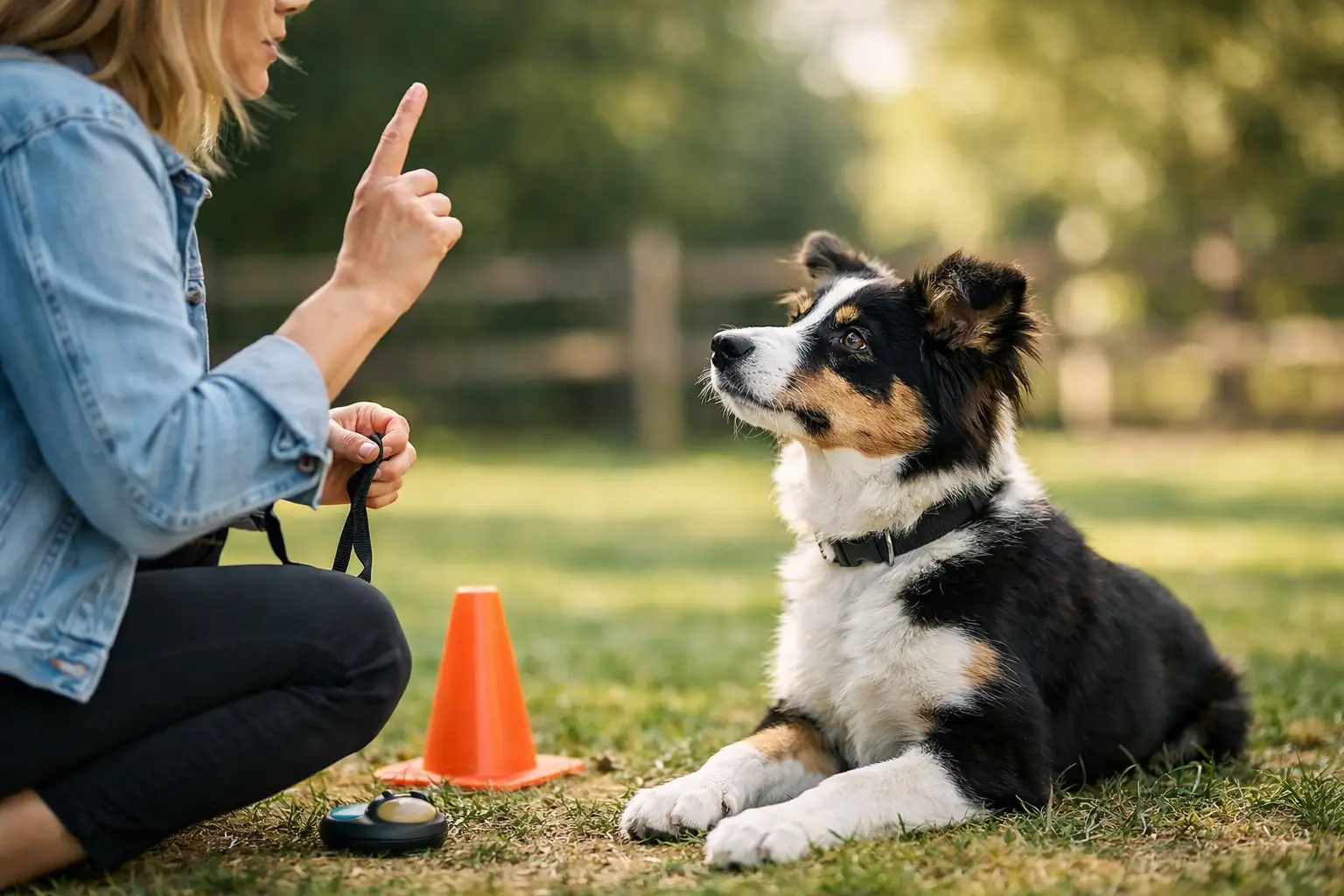
You can often see improvement in a dog within the first few sessions, but if you’re asking how long does it take to obedience train a dog, the honest answer is this: long enough to build habits that hold up in real life. A dog might learn to sit in your kitchen quickly. Listening at the park, at the front door, around guests, or near other dogs takes more time, more repetition, and the right structure.
That matters because most owners are not looking for a dog who performs well in a quiet room. They want a dog who responds when life is happening. They want calmer walks, better manners at home, more control around distractions, and a dog they can trust. Real obedience training is not just about teaching commands. It is about creating reliable behavior.
How long does it take to obedience train a dog in real life?
For most dogs, basic obedience skills start taking shape in two to six weeks with consistent training. Reliable obedience in everyday settings often takes two to six months. Advanced control, off-leash reliability, or behavior work involving reactivity, anxiety, or aggression can take several months longer.
That range is wide for a reason. Training is not one event. It is a process of teaching, practicing, proofing, and maintaining. Some dogs pick up concepts quickly but struggle with distractions. Others need more time at the beginning but become very steady once they understand the expectations.
A puppy learning foundational manners is on a different timeline than an adult dog who has spent three years rehearsing pulling, barking, or ignoring commands. Neither case is hopeless. They just require different levels of structure and repetition.
What actually affects the timeline?
The biggest factor is not breed, age, or even personality. It is consistency. Dogs learn through repetition and clear feedback. If the rules change from day to day, progress slows down.
Your dog’s starting point also matters. A young puppy with no bad habits may move through foundational obedience faster than a dog who already drags the owner down the sidewalk, rushes the door, and tunes out under distraction. But older dogs can absolutely learn. In many cases, they do very well once the training system is clear and the owner follows through.
Temperament plays a role too. High-drive dogs often learn fast but need more work on impulse control. Sensitive dogs may need a more thoughtful pace to build confidence. Distracted social dogs may understand commands perfectly and still choose the environment over the handler until that skill is reinforced enough.
Then there is lifestyle. A dog who trains professionally and practices daily at home will usually progress faster than a dog who gets one lesson a week with little follow-through between sessions. This is why program format matters. Day training, private lessons, board-and-train, and hybrid options all affect how quickly a dog gets the repetition needed to improve.
The difference between learning a command and obeying it
This is where many owners get frustrated. Their dog knows the command at home, so why does everything fall apart outside?
Because understanding a cue is only phase one. Reliability comes later.
A dog can learn what sit, place, heel, down, or come means fairly quickly. What takes time is proofing those commands around distractions, distance, movement, and real-world pressure. That is the part that turns obedience from a trick into a usable skill.
Think of it this way: if your dog sits in the living room but ignores you when another dog walks by, the issue is not always that the dog never learned sit. The issue is that the behavior has not been trained to the level your lifestyle requires.
That is why experienced trainers focus on transfer. The goal is not just performance during a session. The goal is for the dog to listen at home, in the neighborhood, around visitors, in public, and during the moments that usually trigger bad decisions.
A realistic timeline by training stage
The first one to two weeks are usually about clarity. The dog is learning what is expected, how to respond, and how the training system works. Owners often see early wins here, especially with leash manners, basic commands, and household structure.
By weeks three through six, many dogs begin to show stronger consistency in lower-distraction settings. This is when obedience starts to feel real. The dog is not perfect, but the owner can usually see a clear shift in responsiveness and engagement.
Between weeks six and twelve, training often moves into more challenging environments. This is where distractions get layered in, commands are held to a higher standard, and the dog learns that obedience still applies outside the easiest settings.
Beyond three months, the focus is usually reliability, maintenance, and lifestyle-specific goals. For one owner, that may mean calmer guests at the door. For another, it may mean advanced public obedience, hiking, restaurant outings, or off-leash control. Dogs working through fear, reactivity, or aggression may need a longer runway because behavior modification requires both obedience and emotional change.
Why some dogs train faster than others
Fast does not always mean better. Some dogs are quick learners but inconsistent. Others need more repetition upfront and then become extremely dependable. The better question is not, “How fast can my dog learn this?” It is, “How reliably can my dog perform this when it counts?”
Professional training often shortens the timeline because it improves the quality of reps. Instead of owners guessing, the dog gets a structured system, experienced handling, and a training plan that matches the dog’s behavior and the owner’s goals. That is especially important when the issues go beyond basic manners.
A dog with leash pulling and jumping may improve relatively quickly. A dog with major reactivity on walks may need a more layered plan. Both can make real progress, but the path is different.
How to get results faster without cutting corners
If you want obedience training to move efficiently, focus on consistency instead of intensity. Ten to fifteen minutes of purposeful daily practice usually beats occasional long sessions. Training should show up in normal life, not just in a formal lesson.
Use commands the same way each time. Reward the right choices. Correct or interrupt unwanted behavior clearly and fairly when your training approach calls for it. Practice in stages instead of expecting your dog to go from quiet living room success to perfect behavior at a busy brewery overnight.
It also helps to work on the behaviors that matter most to daily life. Loose-leash walking, door manners, recall, place, impulse control, and calm behavior around distractions tend to create the biggest changes for most families. Once those are in place, everything else gets easier.
For busy owners, a more immersive format can speed things up because the dog gets more repetitions in less time. For other families, private lessons paired with daily homework are the right fit. The best program is the one that gets done consistently and supports transfer to your real routine.
When owners should expect setbacks
Setbacks are normal. They do not mean the training failed.
Dogs can regress during adolescence, after big routine changes, or when owners get less consistent. A dog may also perform beautifully in one environment and struggle in a new one. That is not unusual. It simply means the training needs more proofing there.
This is one reason long-term support matters. Obedience is not about one impressive session. It is about having a system you can continue using so the dog stays accountable and confident over time. At Sit Means Sit Dog Training Austin, that real-life transfer is a major part of what makes training stick.
So, how long does it take to obedience train a dog?
If you want the shortest honest answer, most dogs show meaningful progress in a few weeks and develop solid obedience over a few months. Truly reliable behavior takes ongoing reinforcement, especially if you want your dog to listen around real distractions and not just in ideal conditions.
The good news is that you do not need to wait a year to feel better about your dog. With the right training plan, many owners start seeing practical changes early on. Walks become more manageable. The house gets calmer. Communication gets clearer. And once that momentum starts, training stops feeling like a chore and starts feeling like progress.
If your dog is struggling, the timeline matters less than the direction. Start with a clear system, stay consistent, and aim for obedience that works where you actually live.